

The blueprint for sustainable living

The Heart of Ecological Design in Permaculture
Permaculture—a design philosophy rooted in Earth care, people care, and fair share—relies on ecological design as its foundation. At its heart, ecological design is about observing natural systems and harmoniously integrating those insights into our everyday lives. It includes:
- Designing with nature: Instead of imposing rigid structures, ecological design works with natural processes, for example, using soft landscaping to harvest rainwater or planting food forests to mimic natural ecosystems. In our everyday work lives, we are applying eco-design when we recognise our own natural energy rhythms and cycles, or life-stage needs, and plan activities around these.
- Regenerating resources: Ecological design prioritises systems that restore soil, conserve water, and foster biodiversity. We can also learn how to do more with less by mastering new skills, using technology wisely and eliminating waste.
- Creating resilience: By supporting biodiversity (for example, through seed-saving), embracing renewable energy, and integrating local knowledge, ecological design strengthens our ability to adapt to the challenges of climate change and life changes.
Through its emphasis on interconnectedness, ecological design provides a practical toolkit for creating spaces that support both human well-being and the planet. Slow food is a wonderful place to start exploring this.
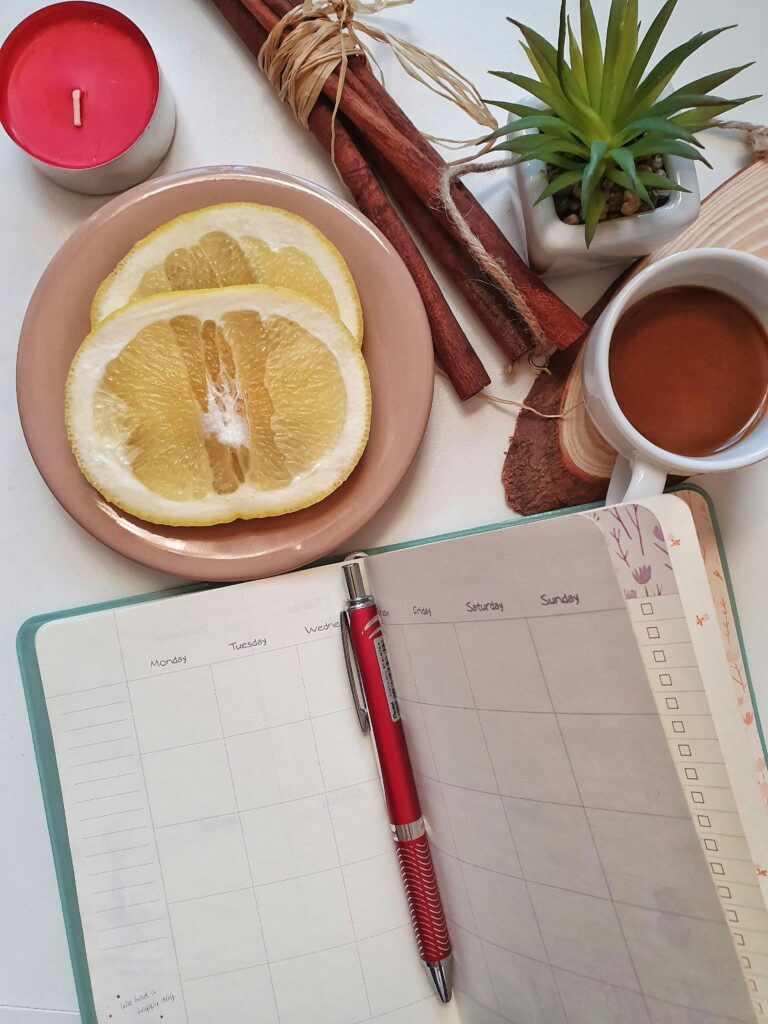
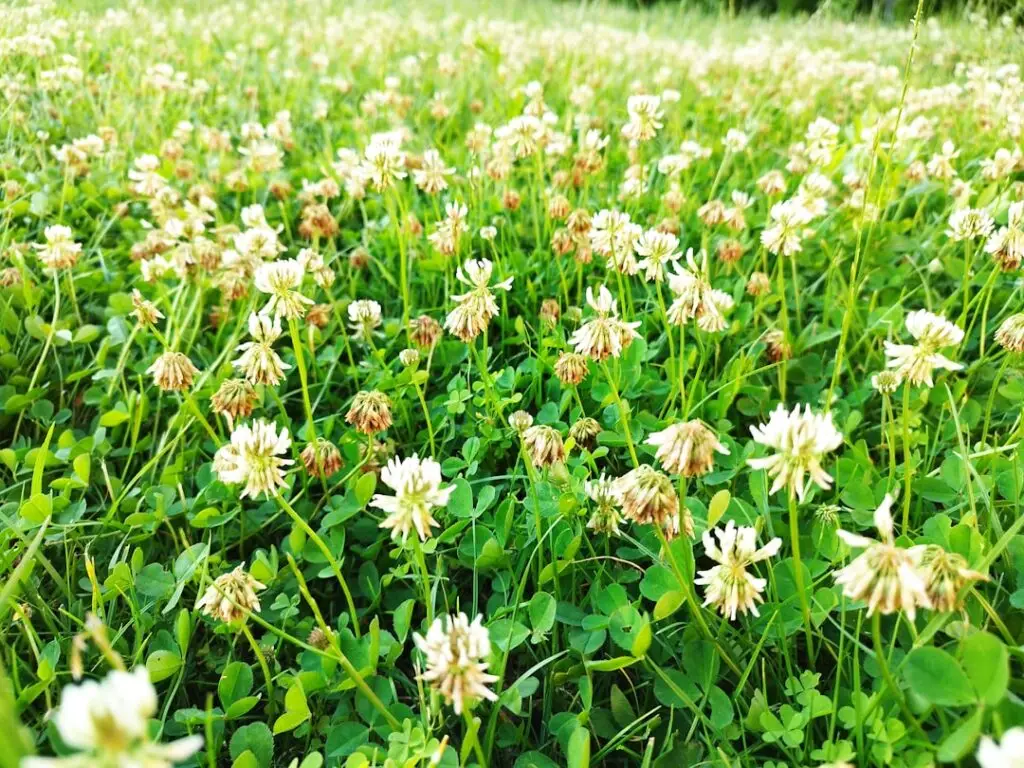
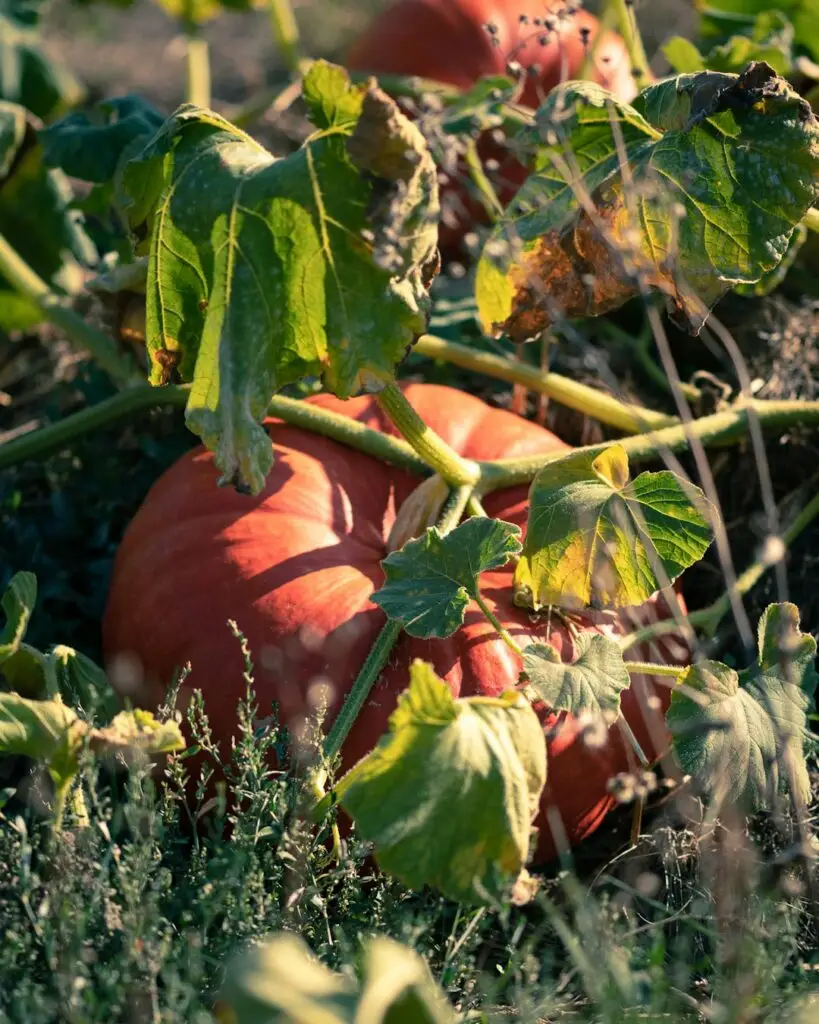

Slow Food: Savouring Sustainability
The slow food movement—which champions local, seasonal, and sustainably produced food—is a natural ally of ecological design and permaculture. By prioritising regenerative farming methods and reducing food miles, slow food nourishes not only our bodies but also our ecosystems. Examples of ecological design in slow food include:
- Designing a kitchen garden that provides fresh produce year-round.
- Farmers and governments supporting regenerative agriculture to build soil health and sequester carbon.
- Creating local food initiatives such as community gardens, urban agriculture, farm-to-table projects, and farmers’ markets to bring together growers and eaters.
These practices embody ecological design by creating food systems that are productive, fair and strong.
Slow Living: Embracing a gentle pace and crafting thoughtful lives
Slow living extends ecological design beyond the garden or farm into the rhythms of daily life. It encourages us to:
- Simplify: Prioritize quality over quantity, whether it’s in our possessions, commitments, or relationships.
- Reconnect: Spend time in nature and with loved ones, grounding ourselves in what truly matters.
- Conserve: Use resources mindfully, from energy and water to our own time and attention.
Ecological design helps us reimagine our homes, schedules, and communities to align with these values. For instance, designing energy-efficient homes with natural ventilation reduces our reliance on fossil fuels while creating comfortable living spaces.


Slow Productivity: Rethinking Work
In a culture that glorifies busyness, slow productivity offers a counterbalance, advocating for meaningful, sustainable approaches to work. Ecological design informs this by:
- Nurturing systems thinking: Focus on the interconnectedness of tasks to reduce wasted time and effort and improve outcomes. Take time for effective planning and deep work, free of distractions.
- Creating regenerative cycles: Integrate periods of rest and reflection to prevent burnout and enhance creativity. Honour our natural interests, inclinations and abilities when choosing work so there can be opportunities for flow instead of unnecessary struggle.
- Valuing long-term impact: Choose projects that align with deeper values and foster enduring change. Consider right livelihood and make a life, not just a living.
By applying ecological principles to our work lives, we can cultivate productivity that enriches rather than depletes us.
Community and Trusted Information

Creating sustainable lives and communities is a journey we embark on together. It is a collective one, made easier and more effective through collaboration and shared knowledge. Here’s how:
- Learning from others: Communities bring together diverse expertise, from traditional ecological knowledge to modern scientific insights. Having trusted sources of truth and support in dealing with conflict can help us navigate through the floodwaters of misinformation and greenwashing we encounter in advertising and other media.
- Pooling resources: Valuing collaboration and cooperation over competition opens all kinds of possibilities for building capacity and wealth in our communities. Examples are sharing tools, seeds, and labour, thus reducing costs and building resilience.
- Inspiring action: Seeing others succeed motivates us to take the next step on our own journey.
Reliable sources of information—such as educators, organisations, or wise elders—help to clarify the noise and offer useful guidance. They provide a thoughtful perspective that helps us stay connected to what is realistic and achievable, ensuring our efforts are both practical and effective.

Building a Blueprint for Change

Ecological design is more than a method; it is a mindset—one that empowers us to live with intention and integrity. By applying its principles in permaculture, slow food, slow living, and slow productivity, we can craft lives that honour both human and planetary needs. Yet, to do this well, we need to make real connections within our communities and access reliable, evidence-based information. Together, we can move from ecological anxiety to meaningful actions, creating a legacy of sustainability for generations to come.
Explore our Services
Are you ready to design a life that aligns with your values and supports a thriving planet? Explore our resources and join our community to take the next step in your sustainability journey.
References
- Holmgren, David. 2018. Retrosuburbia The downshifter’s guide to a resilient future. Melliodora Publishing, Hepburn, Victoria.
- Mollison, Bill with Slay, Reny Mia. 2013 (2nd ed.) Introduction to permaculture. Tagari Publications, Tasmania.
- Moloney, Hannah. 2021. The good life How to grow a better world. Affirm Press, Melbourne, Victoria.
- Morrow, Rosemary. 2022. Earth restorer’s guide to permaculture. Melliodora Publishing, Hepburn, Victoria.
- Newport, Cal. 2024. Slow productivity The lost art of accomplishment without burnout. Penguin, UK.
- Slow Food Foundation. https://www.slowfood.com/ accessed 2025/01/05.
